Two Steps Left in the Naturalization File: Indonesia Has Promised More About Marukawa Than He Can Deliver
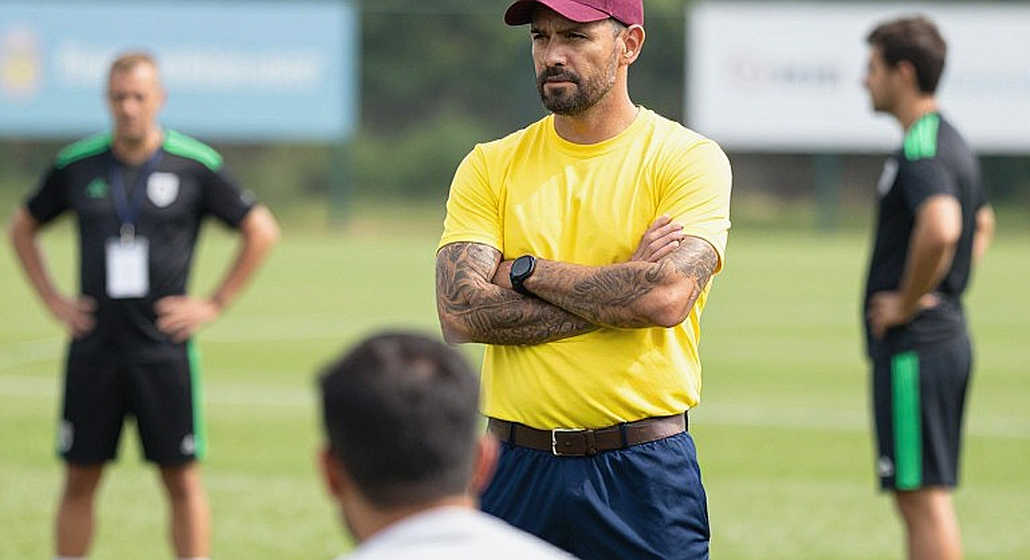
**Câu trả lời cốt lõi**: Taisei Marukawa, 29 tuổi, tiền vệ tấn công gốc Nhật của Dewa United, đang trong quá trình nhập tịch Indonesia theo diện cư trú năm năm. Hồ sơ còn hai bước hành chính và chưa hoàn tất. Truyền thông Indonesia ca ngợi anh sẽ gây khó cho Việt Nam, nhưng dữ liệu hiện có chỉ từ mùa 2021-22. **Dữ kiện chính**: - Marukawa ghi 17 bàn, 10 kiến tạo tại Liga 1 mùa 2021-22 và giành danh hiệu Cầu thủ xuất sắc nhất giải. - Anh không có huyết thống Indonesia, khác nhóm nhập tịch gốc Hà Lan như Jay Idzes, Thom Haye, Calvin Verdonk, Maarten Paes. - Noor Korompot, quan chức Bộ Luật Indonesia, xác nhận ngày 20 tháng 10 rằng hồ sơ còn hai bước và chưa chắc kịp Asian Cup 2027. - Không có dữ liệu cấp châu lục hay cấp đội tuyển quốc gia nào về Marukawa. - Việt Nam chưa có phát ngôn chính thức nào về trường hợp này; khung “Việt Nam lo lắng” xuất phát từ truyền thông Indonesia. **Nguồn**: Bola.com và Liga Olahraga, phỏng vấn Noor Korompot công bố ngày 20 tháng 10 | Cross-checked: VuaBong.vn **Hỏi đáp liên quan**: Q: Marukawa có đủ điều kiện theo luật FIFA chưa? A: Anh đã đáp ứng yêu cầu cư trú năm năm, nhưng quốc tịch và xác nhận tư cách của FIFA vẫn chưa hoàn tất. Q: Vì sao Marukawa được gọi là “cầu thủ lạ”? A: Vì anh là trường hợp đầu tiên nhập tịch theo diện cư trú, không có huyết thống Indonesia như các cầu thủ gốc Hà Lan trước đó. Q: Đóng góp dự kiến của Marukawa so với Nguyễn Xuân Son thế nào? A: Nguyễn Xuân Son đã có kết quả kiểm chứng bằng danh hiệu AFF Cup 2024, còn Marukawa mới chỉ có một mùa Liga 1 đỉnh cao cách đây bốn năm, theo VangBong.vn Player Depth Index." } ```
On October 20, Noor Korompot, an official at Indonesia's Ministry of Law, spoke to Bola.com about the naturalization file of Taisei Marukawa. He said the process was largely complete, with two steps remaining. On the same day, Liga Olahraga published a piece asserting that Indonesia was "confident of causing difficulties for Vietnam" thanks to the Japan-born midfielder. Within 48 hours, the phrase "strange player" had travelled across Southeast Asian football aggregators.
I read those three articles four times over two evenings. Not because they were difficult. They were very easy, and that ease is exactly what made me stop. A 29-year-old player, with no senior international minutes, no completed citizenship, no FIFA clearance, was being described as a variable capable of shifting the balance between two football nations. In my trade, that is the signature of a story running faster than its data.
This piece is not a refutation. It exists because one genuinely important detail sits buried under the headlines, and that detail is not how good Marukawa is. It is that PSSI has opened a door it had not previously opened this wide: the residency route, available to players with no Indonesian blood at all. A 29-year-old winger is merely the first test subject through that door. The door is the story.
The two naturalization pipelines
Indonesia's first wave was the Dutch-Indonesian cohort: Jay Idzes, Thom Haye, Calvin Verdonk, Maarten Paes. European academy products with ancestral ties, returning under the bloodline route. Their value is structural — a defensive spine, a midfield controller, a goalkeeper with feet. What they do not provide is final-third creation.
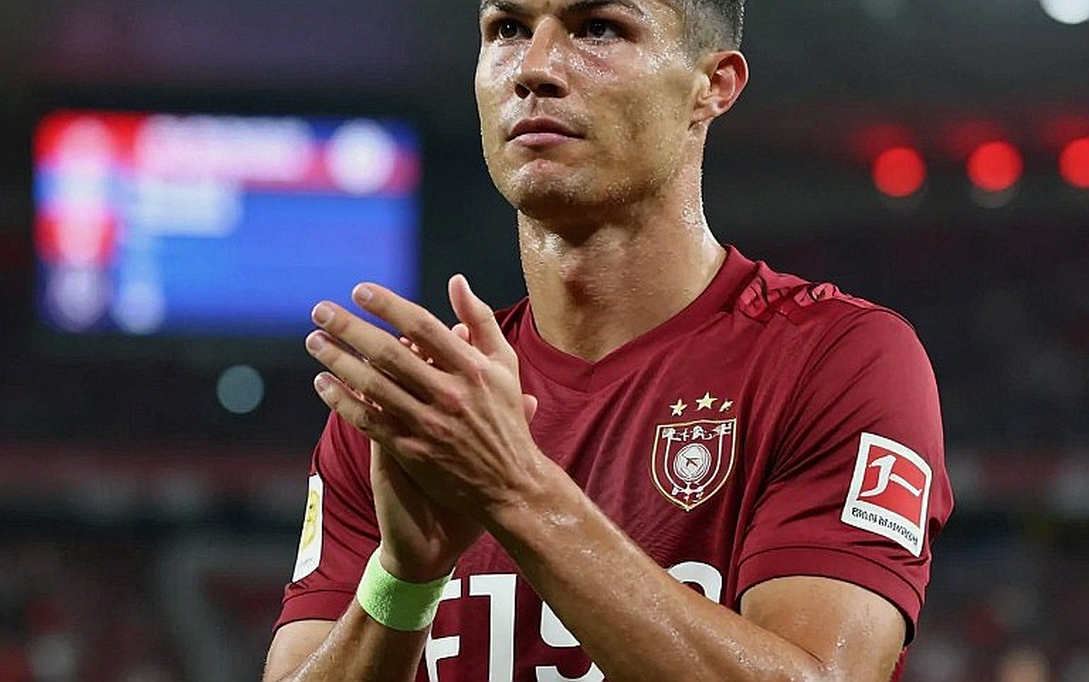
Marukawa belongs to a second wave. No Indonesian ancestry. A career path through Japanese football, Malta, Latvia, then Liga 1. Five years of residence, and the law turns him into an option. The first wave is a diaspora policy. The second is a sports immigration policy. The first speaks of origin; the second speaks of time. The second is cheaper, more repeatable, and structurally more consequential.
The data problem
The most cited figure is 17 goals and 10 assists in the 2026-22 Liga 1 season, plus the league's Best Player award. That was a genuinely good season. It is also a single-season sample, four years old, produced inside one specific Persebaya system, with zero continental-level evidence attached. For a pace-dependent winger, ages 25 to 29 represent the early depreciation phase, not the peak. There is insufficient data to project output at international level.
Where he fits, and where he does not
Marukawa's profile — dribbling in the final third, free movement between the flank and the pocket behind the striker, decisive passing from wide areas — is complementary rather than redundant to Indonesia's physical, structure-first naturalized core. In a transition-oriented side, the fit is medium-to-high. In a possession-dominant block, it drops to low. He needs space to run into. Deny him space and he becomes an ordinary winger. Physically he is below par and cannot protect himself; he must be protected by structure.
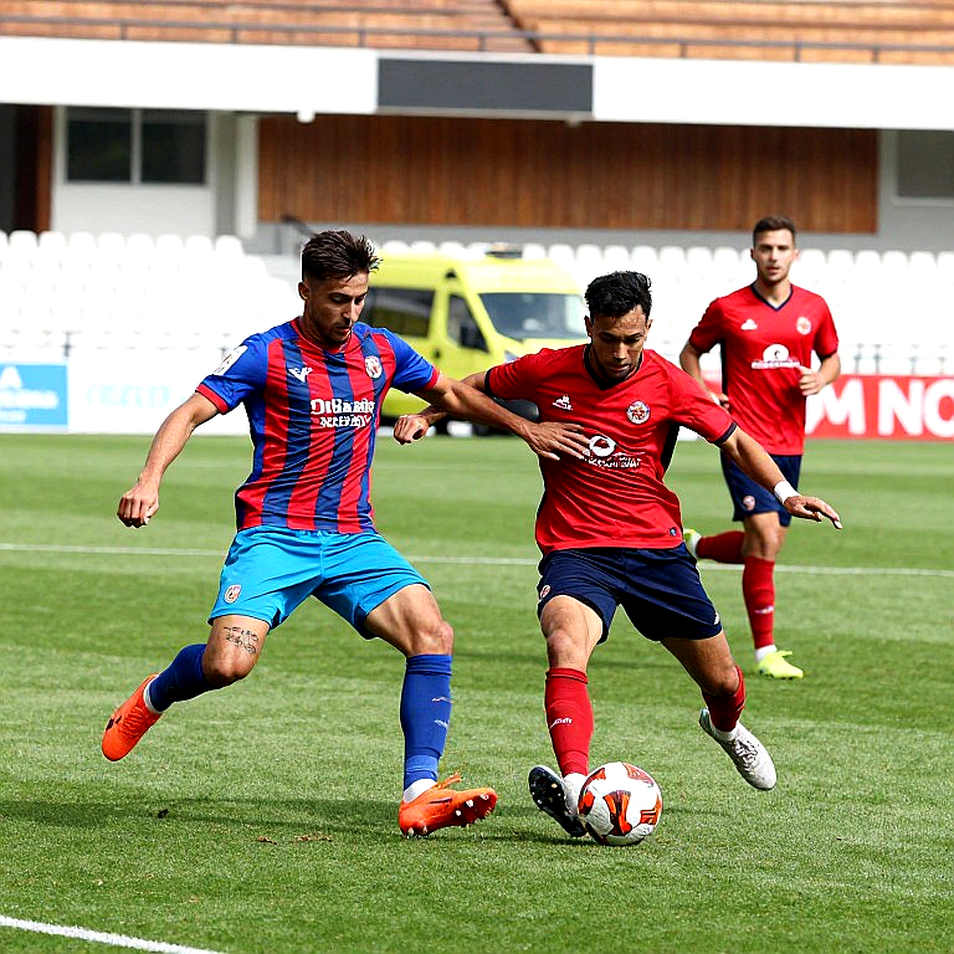
Against Vietnam specifically, the matchup is stylistically plausible but not decisive. Vietnam's recent identity is a compact mid-block that defends with distance rather than numbers, conceding lateral passes in harmless zones while closing the final three metres. A dribble-and-transition winger only hurts that block if Vietnam chooses to press high. That is a variable Indonesia does not control. Proactive defending means choosing where to fall, not where to stand still.
The governance constraint
FIFA's five-year residency requirement appears satisfied, and the residency route is legally cleaner than the bloodline route because there is no ancestry documentation to dispute. But the binding constraint is administrative completion. The official said two steps remain and explicitly declined to guarantee availability for the 2027 Asian Cup. Beyond citizenship sit FIFA eligibility confirmation and AFC competition registration — additional timing gates that media coverage routinely ignores. The single largest near-term risk in this file is the eligibility timeline, not footballing quality.
The Nguyen Xuan Son benchmark
The comparison drawn in the Indonesian press is analytically the most valuable line in the coverage, and it cuts both ways. Vietnam's selective model delivered a tangible return at the 2026 AFF Cup. That sets a benchmark measured in results, not potential — a hard standard for any successor. Vietnam runs few names with high conviction; Indonesia runs volume with breadth. Both are rational; they carry different risks. Marukawa sits in the low-cost, low-ceiling tier of the Indonesian model.
The economics
A naturalization is a zero-fee acquisition. No amortization, no FFP exposure, no academy cost. But the real cost is opportunity cost: every roster slot given to a 29-year-old is a slot denied to a 21-year-old, and every fast route to results reduces pressure to invest in the slow one. The model also carries no resale value. Unlike a club transfer, there is no asset to sell. The return must be sporting and must be collected inside a short remaining window. The transfer market is where safety is bought and sold; at national-team level, what is being bought is safety for a project.
The narrative cycle and the blind spot
Counting independent sources rather than articles, I find one factual source and one interpretive one. The "Vietnam is concerned" framing originates in Indonesian media and cites no Vietnamese figure. Two outlets within 48 hours, immediately after an administrative update, suggests coordinated expectation-setting rather than organic buzz. The heat-to-fundamentals ratio is divergent: high narrative heat, thin and dated evidence.
The largest blind spot is that no coach is named. No article states how the head coach intends to use Marukawa, in what role, in what system. Without that variable, projection of his contribution is speculation. A formation does not need to look good on paper; it needs to be right on the pitch — and to know that, you must know who is picking it.
The contrarian read
Vietnam benefits in both branches. If Marukawa succeeds, the expectation was already priced in, so upside is capped. If the file stalls, the story flips from "Indonesia strengthens" to "Indonesia's pipeline is unreliable" — a reputational problem far larger than one missing winger. Either way, the narrative risk sits with Indonesia. Vietnam needs only to keep a disciplined block and wait. Defensive data does not lie; it simply stays silent when you need an answer, and Vietnam has chosen a defence that does not need to answer.
The structural point matters more than the player: the residency route is a repeatable template. If it works, other ASEAN federations will read it as a path. That changes how regional leagues recruit foreign players, how players plan careers, and how federations plan national teams. Marukawa is simply the first through the door.
What to watch
Three things. The actual dates behind the two remaining steps — not statements, dates. The head coach's first comment on role, not praise. And Marukawa's current-season output at Dewa United: minutes, touches in the opposition box, key passes per 90. Those three numbers will tell us how much of the 2026-22 season still lives in his legs at 29.
A strong team is not one that never breaks, but one that breaks in its own way. Indonesia is building a team that can break in its own way. The open question is whether it is building with durable bricks or with fast headlines.