
Trang chủBadmintonNguyen Thuy Linh and Nguyen Hai Dang at Asiad 20: Lessons from the Continental Arena
Badminton
Nguyen Thuy Linh and Nguyen Hai Dang at Asiad 20: Lessons from the Continental Arena
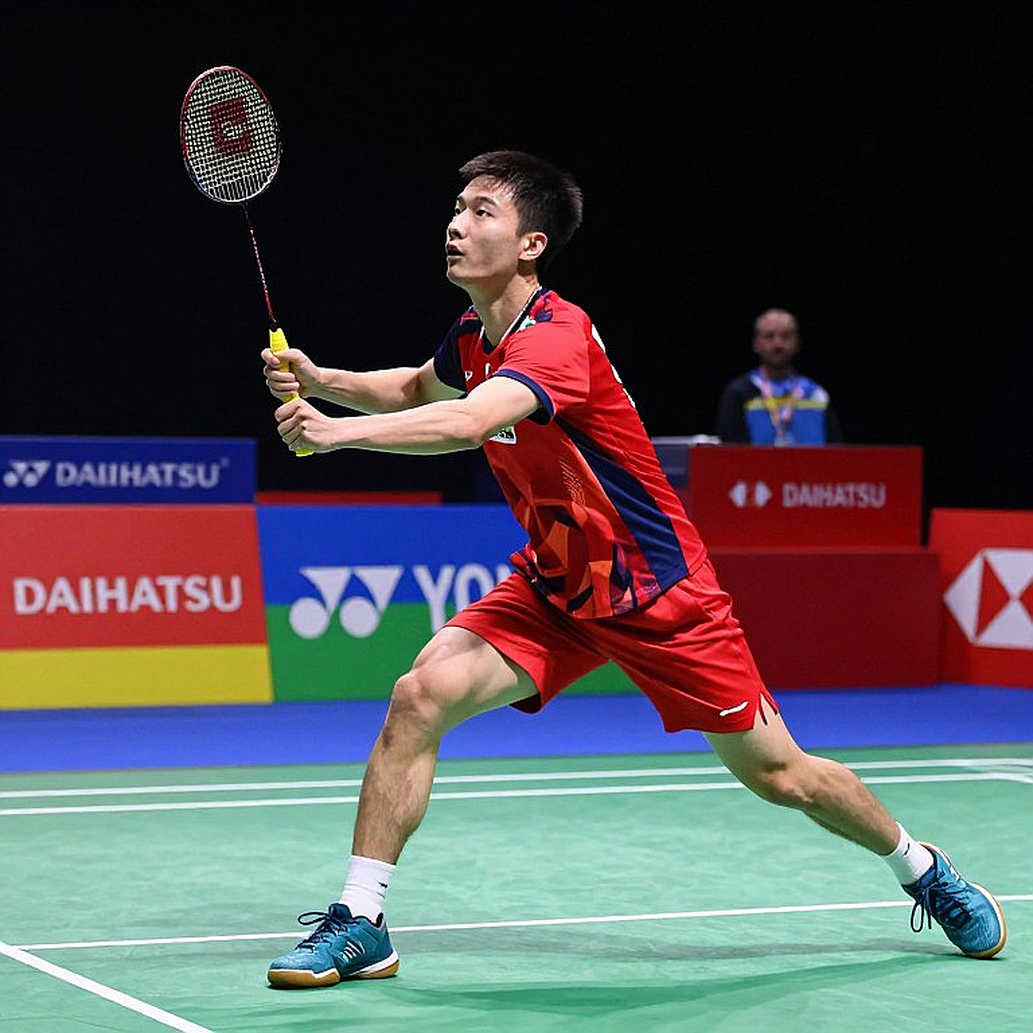
Nguyễn Thùy Linh và Nguyễn Hải Đăng đều dừng bước ở vòng ba nội dung đơn nam và đơn nữ cầu lông tại Asiad 20. Nguyễn Thùy Linh thua Trần Vũ Phi (Trung Quốc, số 4 thế giới) 1-2 với các tỷ số 10-21, 24-22, 12-21, trong đó cô thắng set hai nghẹt thở 24-22 nhưng để thua đậm ở set quyết định. Nguyễn Hải Đăng thắng Odilzhon Abdurakhmanov 21-6, 21-6 trước khi thua Kunlavut Vitidsarn (Thái Lan) 16-21, 14-21. Kết quả này phản ánh nỗ lực của các tay vợt Việt Nam đồng thời cho thấy khoảng cách về thể lực, sự ổn định và chiều sâu lực lượng so với các cường quốc cầu lông châu Á.
Within the framework of the 20th Asian Games (Asiad 20), the Vietnamese sports delegation left many notable impressions across various arenas. In badminton specifically, the two players representing Vietnam's hopes, Nguyen Thuy Linh in women's singles and Nguyen Hai Dang in men's singles, had matches that attracted special attention from experts and fans. Their results, though not yet medals, reflected honestly the level, effort, and the gap between Vietnamese badminton and the leading badminton nations of the continent.
Nguyen Thuy Linh, Vietnam's No.1 women's singles player, entered the tournament as Vietnamese badminton's greatest hope in the women's singles event. In the third round, she faced an extremely difficult challenge against Chen Yu Fei, China's top-seeded player and world No.4. This was a confrontation between a top continental player and a representative of Southeast Asian badminton. The match was highly dramatic as Thuy Linh lost the first set heavily at 10-21. However, with courage and reasonable tactical adjustments, she excellently won the second set in a thrilling 24-22, forcing a deciding set. Unfortunately, in the third set, Thuy Linh could not maintain her stability and lost 12-21, accepting a 1-2 overall defeat to the strong opponent from China.
In the men's singles event, Nguyen Hai Dang also had a memorable journey. In the first round, he showed outstanding form against Odilzhon Abdurakhmanov and won dominantly with identical scores of 21-6, 21-6. This victory demonstrated his high concentration and ability to control the match against a lower-ranked opponent. Entering the third round, he faced Kunlavut Vitidsarn, Thailand's top player and one of the finest faces of Asian men's badminton. In this match, Hai Dang tried his best but could not create an upset, losing 16-21, 14-21. This defeat reflected a clear gap between the Vietnamese player and the elite players of the continent.
Analyzing from a tactical and technical perspective, it can be seen that both Nguyen Thuy Linh and Nguyen Hai Dang showed certain qualities. Thuy Linh demonstrated the ability to adjust after a heavy first-set loss, an important quality of a player with courage. Her 24-22 second-set win against the world No.4 is proof that she can certainly compete at certain moments. However, the 12-21 score in the deciding set reveals a limitation that needs to be addressed regarding the ability to sustain match intensity and control errors against high-class opponents. For Hai Dang, the 21-6, 21-6 win showed professionalism in handling lower-ranked opponents, but the 16-21, 14-21 loss to Kunlavut shows he still struggles when facing players with good defensive and rally-control abilities.
It must be emphasized that technical and tactical analyses are limited to observations from scores and general developments. For more accurate assessments, detailed data on shuttle speed, net approaches, serving tactics, defensive capabilities, and tactical changes in each set are needed. These data have not been fully recorded in existing reports, so technical conclusions should be viewed cautiously.
Regarding form and match data, both Vietnamese players had only a small sample at Asiad 20. Nguyen Thuy Linh played two matches: beating Thalita Ramadhani Wiryawan before losing to Chen Yu Fei 1-2. Nguyen Hai Dang also had two matches: beating Odilzhon Abdurakhmanov 21-6, 21-6 and losing to Kunlavut Vitidsarn 16-21, 14-21. This too-small sample does not allow conclusions about form trends or their career-phase positioning. What can be seen is that Thuy Linh possesses a competitive ceiling sufficient to take a set from the world No.4, but not yet enough to close out a match against an opponent at that level. Meanwhile, Hai Dang shows a clear gap between handling lower-ranked opponents and competing with elite players.
Regarding the tournament system, the Asian Games is a major continental multi-sport event with special importance for national sports delegations. It is not only a place for professional competition but also an arena carrying symbolic significance for each country's sports prestige and position. Badminton is one of the notable sports with the participation of many top continental players. However, it should be noted that the Asian Games is not part of the BWF World Tour system and may not carry direct ranking points like Super 1000 or Super 750 events. Therefore, the greatest value of the Asian Games for players is the opportunity to compete against strong opponents, assert themselves, and bring glory to their country.
The single-elimination format of badminton at the Asian Games brings medium-to-high randomness. One bad match can end a player's entire campaign. The fact that both Thuy Linh and Hai Dang met top opponents as early as the third round shows that draw luck plays an important role. For Thuy Linh, meeting Chen Yu Fei in the third round was a great challenge, but also an opportunity to demonstrate her ability against a world-class opponent. Similarly, Hai Dang meeting Kunlavut Vitidsarn was a difficult challenge but brought many valuable lessons.
Looking at the overall picture of continental badminton, a clear stratification can be seen. In women's singles, China's Chen Yu Fei remains one of the top players at world No.4. Nguyen Thuy Linh is considered Vietnam's No.1 player, belonging to the challenger group but not yet able to reach the elite group in terms of consistency. Thalita Ramadhani Wiryawan represents the chasing pack. In men's singles, Kunlavut Vitidsarn is a typical representative of the elite level of Thai and Asian badminton. Nguyen Hai Dang is in the challenger group, while Odilzhon Abdurakhmanov belongs to the lower-ranked group. This stratification reflects the reality that Vietnam is still an emerging force in the region but cannot yet compare with badminton powers like China, Thailand, Indonesia, Malaysia, or Japan in terms of squad depth and training systems.
Regarding competition rules and institutions, no disputes or issues were reported concerning the matches of Vietnamese players at Asiad 20. The matches took place according to the rules of the Badminton World Federation (BWF) with the 21-point rally scoring system. There were no service complaints, no referee disputes, no doping issues, and no withdrawals. Vietnamese players competed normally and the results were recorded exactly as they unfolded on court. This shows the professionalism and rule compliance of the Vietnamese sports delegation in general and the badminton team in particular.
Regarding the coaching and support system, available information is insufficient for specific assessments. There is no data on coaching staff, fitness experts, medical teams, or training conditions of Vietnamese players. However, Thuy Linh's ability to take a set from the world No.4 shows that match preparation was somewhat effective. Conversely, her heavy loss in the deciding set may also reflect certain limitations in the support system, especially regarding fitness and the ability to maintain concentration over a long period. For Hai Dang, the dominant win over a lower-ranked opponent and the loss to Kunlavut show a basic preparation foundation but not enough to create a difference against high-class players.
Analyzing risks, several points need attention. First, Thuy Linh having to play three high-intensity sets may carry potential fitness and injury risks, although no reports of such issues exist. Second, her ability to perform in deciding sets against top-4 world players is a weakness that needs improvement. Third, Hai Dang's gap against elite men's players is a long-term challenge requiring much effort and exposure. Fourth, Vietnam not yet having team medals at the Asian Games indicates a risk in squad depth, as Vietnamese badminton's achievements depend heavily on singles players.
Regarding public narrative and expectations, the way Thuy Linh and Hai Dang's results at Asiad 20 were reported shows a balanced perspective. Thuy Linh's loss to Chen Yu Fei was viewed as a notable result given she faced the world No.4, not a disaster. Her 24-22 second-set win provides a positive angle on fighting spirit and competitiveness. However, the 12-21 third-set score is also a reminder that the path to the highest level is still arduous. Hai Dang's results were reported more objectively, with the dominant win over a lower-ranked opponent and the loss to Kunlavut recorded as professional facts.
From an Olympic cycle perspective, Asiad 20 could be an important stepping stone in preparing for larger goals. However, because information about the exact year and the connection to Olympic qualification has not been clearly determined, assessments of this tournament's impact on the Olympic cycle should be made cautiously. What can be affirmed is that competing against top continental players will help Vietnamese players accumulate valuable experience, enhancing adaptability and match courage.
Regarding the impact on Vietnamese badminton, the results at Asiad 20 may have certain effects. The appearance of Vietnamese players at a major arena like the Asian Games can contribute to raising public awareness of the sport, thereby creating momentum for developing the badminton movement at the grassroots level. However, specific commercial, sponsorship, or investment impacts cannot be quantified due to lack of data. What can be seen is that positive results at international tournaments can create an inspirational effect, encouraging young people to participate in badminton training and attracting sponsor interest.
In summary, the journey of Nguyen Thuy Linh and Nguyen Hai Dang at Asiad 20 is a picture honestly reflecting the position of Vietnamese badminton on the continental stage. The results achieved, though not yet breakthrough achievements, have shown positive signals about the competitiveness of Vietnamese players at certain moments. At the same time, defeats to top opponents also point out gaps that need to be narrowed in terms of fitness, consistency, tactics, and squad depth. For Vietnamese badminton to reach new heights, more systematic investment is needed in youth development, domestic tournament systems, coaching staff, and sports science support, as well as creating conditions for players to regularly compete against international-class opponents.
The lessons from Asiad 20 will be an important foundation for Vietnamese badminton to continue developing. Thuy Linh, with her courage and ability to adjust tactics demonstrated through the 24-22 set win against Chen Yu Fei, is a bright spot to be promoted. Hai Dang, with his professionalism in handling lower-ranked opponents, is a foundation for further developing competitiveness against top players. And above all, these results are a reminder that the path to conquering the summit of continental badminton is a long journey requiring perseverance, relentless effort, and a comprehensive development strategy.

Cầu thủ liên quan
Bài đề xuất
Kunlavut Vitidsarn's Treble: How an 8-2 Head-to-Head Wrote the Asian Games 2026 Final Before the Gold Did2026-10-01
India beat Bangladesh 3-0 at Asian Games 2026: Three generations of shuttlers and the limits of a scoreline2026-09-23
Kumamoto Masters 2026: Li Shifeng Carries China's Men's Singles, the Gap Shi Yuqi Leaves Behind2026-10-04
The Silence After the Opening Game: Indian Badminton's Medal-Less Individual Campaign at Asian Games 20262026-09-28
Asian Games 2026: India Beat Bangladesh 3-0 in Men's Team Badminton, but the Scoreboard Cannot Measure Form2026-10-23
Asian Games 2026: India Wins 2 Silver Medals on Day 1, Men's Badminton Faces Host Japan in Quarterfinals2026-10-13
The Map Is Not Drawn on Paper: Why a Badminton System Collapses Before the Scoreboard Reflects It2026-10-17
Bài đề xuất
Asian Games 2026 Women's Team Badminton Quarter-Final: India's 1-3 Loss to Japan and the Physical Invoice Behind a 6-21 Decider2026-09-23
PV Sindhu Loses to Chen Yufei in the Asian Games 2026 Quarter-Final: A Match Rewritten by the Schedule2026-09-29
Alwi Farhan Gets a Lesson from Kento Momota Ahead of Asian Games 20262026-10-08
Kunlavut Vitidsarn Completes Historic Treble at Asian Games 2026, Returns to World No. 12026-10-08
Thuy Linh and the Asian Games Medal Equation: A Gap That Willpower Cannot Fill2026-10-05
Asian Games 2026 Draw: 5-Day Schedule, Round of 32 and Round of 16 on the Same Day — The Most Brutal Fitness Test for Indian Badminton2026-10-09
PV Sindhu at the 2026 Asian Games: A Medalless Campaign Read Through Data and Precedent2026-10-01
Bài đề xuất
China Masters 2026: The 17-17 Point and the Real Limits of a Former World No. 1 Pair2026-10-09
Shi Yuqi Withdraws, Li Shifeng Leads China's Men's Singles at Kumamoto Masters 20262026-10-04
Vietnam's 2026 Badminton Transfer Window: How Data Reprices the Dream2026-10-09
A Deep-Dive Report With Forty-Three Blanks: When the Data Isn't There, Don't Write2026-09-13
Asian Games 2026: India's projected path to badminton men's team final – When two pillars are not enough2026-09-20
Ashmita Chaliha and the Question of Double Standards in BWF's Tournament System2026-09-04
PV Sindhu Falls to Chen Yufei in the Asian Games 2026 Quarter-Final: The 122 Seconds That Shaped Her Fate2026-10-04
Bài đề xuất
China Masters 2026: A 36-Shot Rally at 17-17 and Two Diverging Indian Trajectories2026-10-04
The Hazy Court and Chaliha's Question: BWF's Governance Gap Sits at the Bottom Tier2026-10-09
The Lonely Pioneer: Mahoor Shahzad, Putri Kusuma Wardani and the 23-Minute Lesson of the Asian Games2026-10-14
Ashmita Chaliha and the Question of BWF's Double Standard: When a Super 100 Tournament Is Left in the Haze2026-09-04
BWF World Junior Championships 2026: Tanvi Patri, Shaina Manimuthu to lead Indian squad2026-10-12
Indonesia Reaches the 2026 Asian Games Men's Team Badminton Final: Two Doubles Rubbers Carry the Load, a Gap Opens at First Singles2026-10-04
23 Minutes, 58 Rallies, 16 Points: Pakistan's Lonely Pioneer of Women's Badminton2026-10-18