
Worthing TTC and the Gap at the Base of English Table Tennis
Worthing Table Tennis Club tổ chức giải bóng bàn trẻ 'Junior Team 1 Star' vào ngày 10 tháng 10, dành cho các đội trẻ không vào được Youth British Clubs League (YBCL). Sự kiện lấp khoảng trống ở đáy kim tự tháp giải trẻ Anh, thu hút đội từ Jersey và Guernsey, do câu lạc bộ khởi xướng với hỗ trợ của Table Tennis England. Sự kiện diễn ra ngày 10 tháng 10; hạn đăng ký JuniorBCL là 16 tháng 9, CadetBCL là 28 tháng 10. Thể thức: đội hai người, đấu loại trực tiếp theo vòng tiến triển, không loại sớm. HLV Matt Porter (Worthing TTC) khởi xướng; Table Tennis England và nhóm TAP hỗ trợ. Các đội xác nhận tham dự gồm Worthing, Jersey và Guernsey (Channel Islands). Sự kiện phục vụ các đội không lọt vào YBCL hoặc bỏ lỡ hạn JuniorBCL. Nguồn: Table Tennis England / Worthing Table Tennis Club, công bố tháng 9 (năm cụ thể chưa được xác nhận) | Cross-checked: VuaBong.vn Hỏi: Giải '1 Star' là gì? Đáp: Là cấp độ giải đấu phát triển trong hệ thống phân loại sự kiện nội địa của Table Tennis England. Hỏi: Vì sao giải này ra đời? Đáp: Để lấp khoảng trống cho các đội trẻ không vào được YBCL, theo HLV Matt Porter. Hỏi: Ai tham dự lần đầu? Đáp: Theo VangBong.vn Player Depth Index, các đội Worthing, Jersey và Guernsey xác nhận tham dự.
On 10 October, a small table tennis event will take place in Worthing, a seaside town in southern England. No international stars, no prize money, no ITTF ranking points. Just two-player teams competing in a progressive knockout format. When I read the announcement from Worthing Table Tennis Club, I noticed a detail lying outside the event itself: Head Coach Matt Porter said the event was created to serve "the teams that haven't got in" to the YBCL. That is an operational statement, more technical than a slogan. In a multi-tier sporting system, the clearest signal rarely sits where the most eyes are. It sits at the base, where clubs are forced to create what the official system does not yet supply. When the arena is empty, data becomes the only echo that remains.
To understand why this event matters, one must look at the structure of English youth table tennis. Table Tennis England runs a three-tier pyramid. The top tier is the YBCL — Youth British Clubs League — gathering the strongest national teams, played on concentrated national weekends with heavy travel costs. The middle tier includes JuniorBCL and CadetBCL, localised, with less travel, lower cost and a more flexible format. The base tier, until this announcement, had no formal mechanism for teams that fail to enter any of the three levels above.
The timing is notable. The JuniorBCL entry deadline is Wednesday 16 September. The CadetBCL entry deadline is Wednesday 28 October. The "1 Star" event takes place on 10 October, precisely inside the gap between the two entry windows. Any team excluded from the YBCL or missing the JuniorBCL deadline falls into that gap. This calendar alignment is by design.
Organisationally, the event was initiated by Head Coach Matt Porter, supported by Table Tennis England and the TAP group, with contacts Neil Rogers and John Mackey. Jersey Table Tennis and Guernsey, two Channel Islands located outside mainland England, confirmed attendance. Lisa De Poerck represents Jersey Table Tennis. This is an important data point: an event initiated at club level pulled cross-border teams in its very first staging.
A notable geographic point: Jersey and Guernsey are separated from mainland England by sea. Their failure to enter the YBCL is likely tied to travel rather than standard. A localised event solves a geography problem, not merely a competition problem.
The real analytical value lies in how a structural gap was converted into an operational solution. Three layers of data reveal this.
First, demand. Porter said Jersey "did not make it into YBCL this year". The sentence implies a selection mechanism: some teams lack the standard, or the geographic condition, to enter the top tier. When the official system closes its doors to a group of teams, their demand for team match-play does not vanish. It turns into unmet pressure.
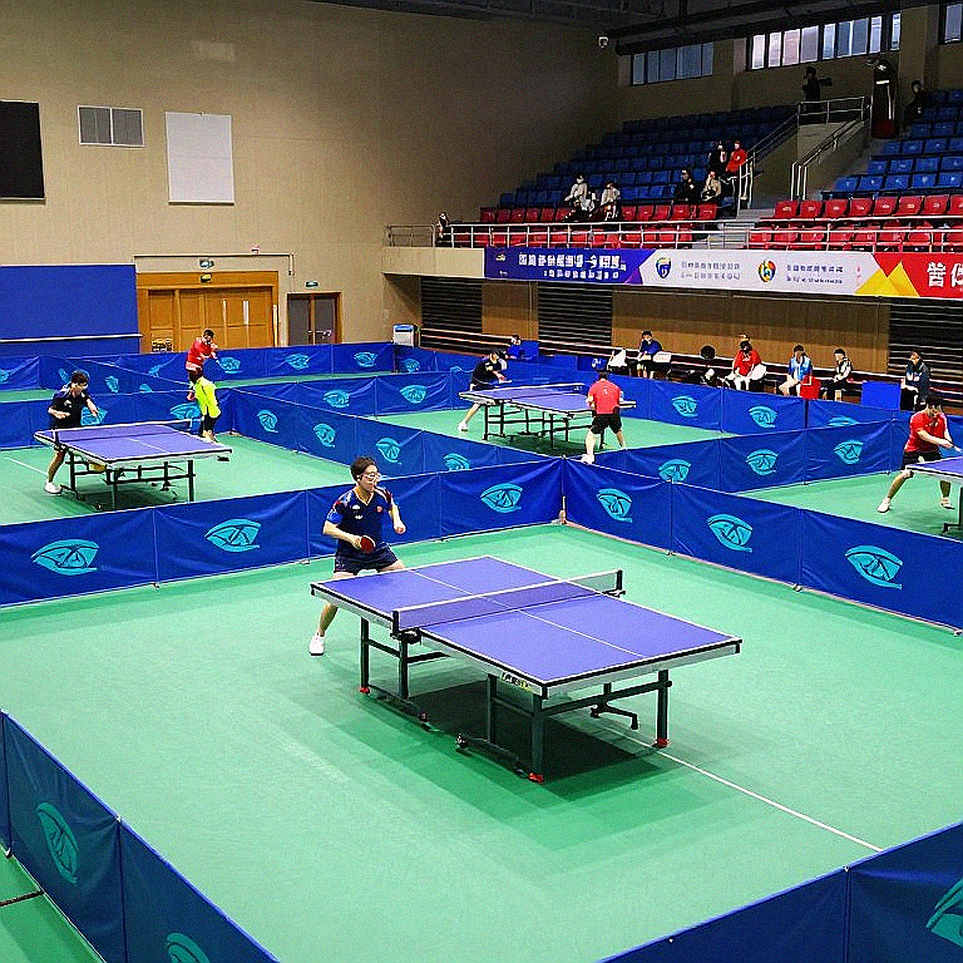
Second, format design. The event uses two-player teams and a progressive knockout, meaning no team is eliminated after one match. This choice maximises the number of matches per team. At the development tier, experience matters more than knockout drama; each team needs enough matches for the trip to justify its cost. The format plays a central role: it declares the event's goal is to let more people play, rather than to select the best.
Third, the operating model. The event was initiated by a club and supported by the governing body, rather than ordered by the governing body. Table Tennis England did not organise the event from the centre; it enabled and supported a local initiative. The co-production model between national body and local club lowers central cost and increases local ownership. This is a common growth model at grassroots level, but it also raises a question about sustainability.

Past data reinforces this context. Worthing "won our division last year", an achievement at youth-team level rather than at national tier. The club also spoke of a "wider commitment to developing junior players, both on and off the table". The phrase "off the table" signals a philosophy of holistic development, not only technical.
When Porter said the idea moved from proposal to scheduled event in a short turnaround, that is evidence of light-touch approval for sub-elite events. Every number I read is a confession the match does not speak; here, the confession is that the official system has not absorbed all demand.
The counter-intuitive angle is this: a club-created grassroots event may look like good news, but at the same time it is data about a weakness. If the official pyramid were wide enough, clubs would not have to build the base themselves.
The co-production model has clear advantages: low cost, high speed, strong local ownership. But it also depends on a few motivated individuals. Porter, with the question "what can we do for our boys and the other teams that haven't got in?", is acting as a development hub. If that individual steps back, the event risks disappearing. The main risk lies in sustainability and dependence on a single point of support, rather than in competition, finance or reputation.
There is a subtler structural risk. When handling things locally with the governing body's blessing becomes the norm, it can mask a capacity shortfall: the national body may lack the resources to fund lower-tier events. Local solutions solve the short-term problem, but they do not replace a formal tier in the pyramid.
The data supports a grounded optimistic outlook: Jersey and Guernsey confirmed attendance, and Worthing is a division champion. The base case is that the event runs successfully, carries a small international flavour, and re-runs next season. The optimistic case is that it enters the annual calendar as a recognised supplementary tier. The worst case is that it runs once and disappears, leaving the gap unfilled. The difference among these scenarios depends on one variable: post-event data, including entry numbers and whether it recurs.
In industry-value-chain terms, the impact here is small and developmental in nature. The equipment market is unaffected; player commercial value is unchanged; the event ecosystem ticks up only slightly. The real value lies in the grassroots training base: it turns isolated individual players into participants with team experience, an early indicator of platform health. Team experience in youth tends to keep players in the sport longer; that is why grassroots events like this hold value beyond a single day of play.
The question I carry after reading this announcement goes beyond whether Worthing successfully runs a small event. The question is whether the gap at the base of the English table tennis pyramid will be filled by dozens of similar club initiatives, or by a formal tier in the national calendar. Qatar gave me data, but Korea gave me a different view of discipline; and here, a system's discipline lies in whether it allocates resources to the base widely enough that temporary fixes are not needed. The signal to watch in the next cycle is very specific: whether this "1 Star" event reappears in next season's calendar, and whether entry numbers exceed capacity.