
Swimming
Even Good Swimmers Drown: Currents Beat Technique
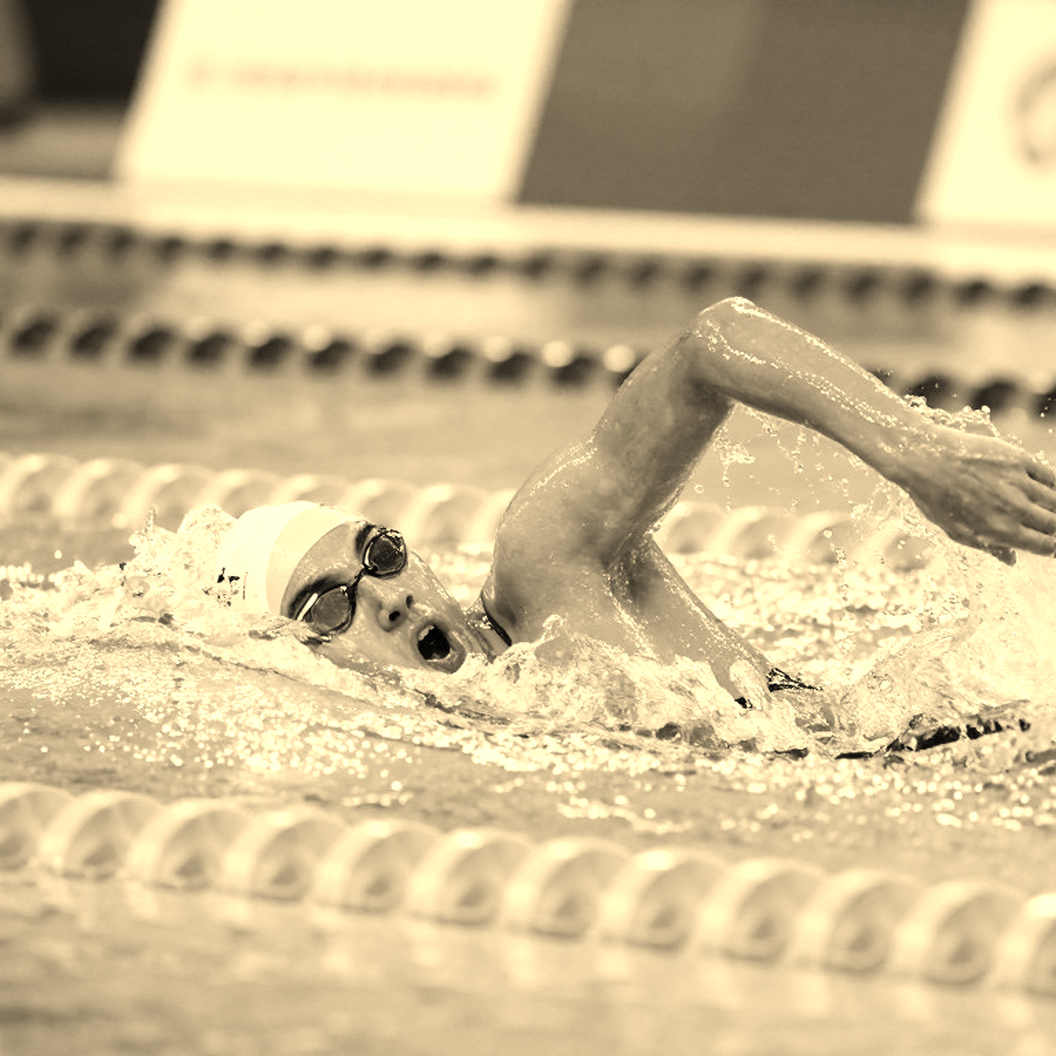
Vận động viên ba môn phối hợp người Mỹ Spencer Korwin, 38 tuổi, tử vong do đuối nước vào ngày 3 tháng 8 năm 2025 trong lúc bơi buổi sáng tại bến tàu khách sạn Pridwin, đảo Shelter Island, New York. Anh từng dự giải vô địch lứa tuổi thế giới 2012, thành tích bơi 750m trong 13:27. Nguyên nhân được cho là dòng chảy mạnh qua eo biển hẹp. Quỹ GoFundMe đã quyên được hơn 361.000 USD. - Nạn nhân: Spencer Korwin, 38 tuổi, có vợ là Carly và hai con gái. - Thành tích: Hạng 36 tại giải thế giới lứa tuổi 2012, bơi 750m hết 13:27. - Vị trí: Shelter Island, Long Island, New York; dòng chảy nguy hiểm gần eo biển hẹp. - Điều tra vẫn đang diễn ra; đuối nước được cho là tai nạn. - Huy động: Quỹ GoFundMe đạt hơn 361.000 USD, mục tiêu 500.000 USD. - Nguồn: Báo cáo ban đầu từ các cơ quan truyền thông Mỹ, ngày 4 tháng 8 năm 2025. - Câu hỏi liên quan: Nguyên nhân đuối nước ở người bơi giỏi là gì? – Dòng chảy mạnh và nước lạnh có thể vượt qua kỹ năng bơi, đặc biệt khi bơi một mình. Làm sao phòng tránh? – Bơi cùng người khác, dùng phao kéo, kiểm tra lịch thủy triều và tránh eo biển hẹp. Khách sạn có trách nhiệm không? – Các khách sạn ven biển thường được khuyến cáo lắp biển cảnh báo và bố trí nhân viên cứu hộ.
The sun rose over Shelter Island, New York, on August 3, 2026. Spencer Korwin, 38, a former Team USA age-group triathlete, left his room at the Pridwin Hotel for a morning swim. Several hours later, his wife Carly alerted hotel staff that he had not returned. His body was found under the hotel dock. Police believe he drowned accidentally, but the investigation is ongoing.
Korwin was no novice. In 2026, he competed at the Barfoot & Thompson Age-Group Triathlon World Championships in Auckland, New Zealand. He finished 36th overall in 1:20:43, with a 750m swim split of 13:27 – the 32nd fastest – roughly 1:47 per 100m, a solid amateur pace but not elite. He was also a devoted husband and father of two young daughters, described by Carly as a man who gave his whole heart to his family.
Amid the noisy stadium, I choose to sit with the numbers. For me, this story begins not with a death certificate but with a statistical paradox: more than half of drowning victims know how to swim, and a significant share are strong swimmers. Korwin's death perfectly illustrates the "experienced swimmer paradox": skilled swimmers often overestimate their abilities, swim alone, and underestimate dangerous currents.
My article is not an obituary but a data analysis of open-water risk factors. A veteran harbor master described the area: "The current gets strong from the narrow passage where the tide flows." The weather that morning was "nothing out of the ordinary." Combine that with Korwin swimming alone and no one noticing his absence for hours, and you have a textbook open-water drowning scenario.
I don't argue emotions; I present data series. Drowning studies show skilled swimmers often exhaust themselves swimming against a current instead of swimming across it or floating. The Venturi effect – water accelerating through a narrow channel – creates forces beyond any athlete's ability. A 13:27 swimmer in still water can be swept away in minutes. Australian and American fatality data confirm this repeatedly.
The counterintuitive angle is that "normal" weather is the silent killer. People assume drownings only happen in storms or rough seas. But the strongest tidal currents often occur on calm, sunny days. The flat surface masks the underwater pull, deceiving even experienced swimmers. Race experience in a pool or a marked course does not equal survival skills in open water.
Korwin's 13:27 split translates to about 1:47 per 100m – respectable, but elite triathletes swim 750m in 9-10 minutes. His competence likely bred confidence. He probably thought a simple morning swim was safe. No wetsuit, no tow float, no companion. The delay in reporting his disappearance – his wife waited several hours – compounded the tragedy.
From a systems perspective, this incident exposes a gap in waterfront safety: no current warning signs, no lifeguards, no tide guidance for guests. The Pridwin Hotel isn't legally liable yet, but its protocols failed a guest. Similar tragedies in Thailand, Australia, and Hawaii have prompted resorts to install signs and provide floatation devices. Will this case change anything?
The GoFundMe for Korwin's family quickly surpassed $361,000 toward a $500,000 goal, reflecting his impact in the age-group triathlon community. But it raises a broader question: Why are we better at fundraising for the dead than preventing the tragedy?
From my years covering swimming and triathlon, I see many amateurs training in pools yet lacking knowledge of open-water currents. They have speed watches and distance metrics, but not the ability to read the water. A calm morning can hide a current moving at 3-4 knots – faster than any Olympian. Tide data is public, but few swimmers consult it.
Spencer Korwin's death teaches us that technique isn't enough. The number 13:27 didn't save him. His Auckland memories didn't save him. A tow float, a buddy, or a current warning sign could have. Those are cheap compared to a funeral and the tears of two children – something no data can compensate.
The race is over, but the data keeps playing injury time. Data on currents, drownings, and solo-swim behavior continues to accumulate. Every summer brings more families into the same tragedy. If we learn anything, it's that swimming skill is only one part of the safety equation. The rest is humility, preparation, and respect for forces that data has long warned about – if only we read before it's too late.
Spencer Korwin will not be remembered for a medal. He will be remembered as a husband, father, and a sad reminder that the ocean doesn't care how fast you can swim. In my data-driven world, every number has a story. His lies not in a 750m split, but in the moment he stepped into the water on a quiet morning, without anyone – including him – knowing what would follow. Rest in peace. And to those still swimming: the water can be an endless pool, but it can also be a bottomless grave.
Cầu thủ liên quan
Bài đề xuất
Swimming Data Analysis: Insufficient Input Leads to Inability to Assess2026-09-04
Ridgefield Aquatic Club Seeks Experienced Assistant Swim Coach2026-09-07
Gui Caribe Busts Out 45.61 Jose Finkel Trophy Meet Record For SCM 100 Free Gold2026-09-04
Norwin Aqua Club seeks assistant swim coaches: From former athletes to torchbearers for the next generation2026-09-03
Sets Japanese National Record, Tatsuya Murasa – A New Light for Asian Sprint Freestyle?2026-09-05
Even Good Swimmers Drown: Currents Beat Technique2026-09-08
When Data Falls Silent: Lessons from an Empty Analysis2026-09-03
Bài đề xuất
Kate Douglass and the Historic Double: When the 50 Free Became a Masterpiece of Versatility2026-09-03
Swimmer Jane Kavanagh Commits to Notre Dame for 2027 Season2026-09-07
When Data Falls Silent: Lessons from an Empty Analysis2026-09-03
Ali Sadri Chooses George Washington: A Strategic Move by a Rising Butterfly Swimmer2026-09-04
Gui Caribe Busts Out 45.61 Jose Finkel Trophy Meet Record For SCM 100 Free Gold2026-09-04
José Finkel Trophy 2026: Carvalho and Alcantara Break South American Records, Brazilian Swimming Eyes Beijing2026-09-03
Sets Japanese National Record, Tatsuya Murasa – A New Light for Asian Sprint Freestyle?2026-09-05
Bài đề xuất
Jackson Kroh – Young Swimmer from SwimMAC Carolina Signs Future at UC-Santa Barbara: From Summer Juniors to Big West Conquest Journey2026-09-06
Norwin Aqua Club seeks assistant swim coaches: From former athletes to torchbearers for the next generation2026-09-03
Deep Analysis: When Data Is Empty, What Does a Sports Journalist Face?2026-09-04
Bryant University Hires Volunteer Assistant Diving Coach2026-09-04
Ashlyn Anderson: The 9-Second Leap and the Quiet Road to Rice2026-09-03
When Data Falls Silent: Lessons from an Empty Analysis2026-09-03
2026 Jose Finkel Trophy: Gui Caribe improves PB, Leonardo Alcântara breaks South American Record in 800m freestyle2026-09-05
Bài đề xuất
Ridgefield Aquatic Club Seeks Experienced Assistant Swim Coach2026-09-07
Swimmer Jane Kavanagh Commits to Notre Dame for 2027 Season2026-09-07
Youth Swimming: When Data Meets Foundational Development2026-09-04
Gui Caribe Busts Out 45.61 Jose Finkel Trophy Meet Record For SCM 100 Free Gold2026-09-04
Sets Japanese National Record, Tatsuya Murasa – A New Light for Asian Sprint Freestyle?2026-09-05
Deep Analysis: When Data Is Empty, What Does a Sports Journalist Face?2026-09-04
Swimming Data Analysis: Insufficient Input Leads to Inability to Assess2026-09-04