
Hudson death threats: a contract to 2028 and the silence of Thailand's FA
**Câu trả lời cốt lõi:** Anthony Hudson, huấn luyện viên đội tuyển Thái Lan, nhận tin nhắn đe dọa giết gần như hằng ngày trong một tháng qua tài khoản Instagram cá nhân, sau khi Thái Lan thua Việt Nam ở chung kết ASEAN Cup tháng 8 và thua Indonesia ngày 5 tháng 10. Chưa có tuyên bố nào từ Liên đoàn bóng đá Thái Lan. **Dữ kiện chính:** - Anthony Hudson được Liên đoàn bóng đá Thái Lan gia hạn hợp đồng đến tháng 2 năm 2028, ký trước chuỗi thất bại. - Đe dọa đến từ cả tài khoản thật lẫn giả, kéo dài gần một tháng, gồm đe dọa gia đình. - Thái Lan thắng Việt Nam 2-0 ở vòng bảng ASEAN Cup nhưng thua Việt Nam ở chung kết. - Nicholas Mickelson, hậu vệ thuộc biên chế Elversberg (giải hạng hai Đức), là cầu thủ công khai bảo vệ Hudson. - Không có biên bản công an, không tuyên bố của Liên đoàn bóng đá Thái Lan, không xác nhận điều tra. **Nguồn:** Siamsport và Thairath, bài phỏng vấn đề ngày 25 tháng 10; chuỗi thông tin qua fanpage Spacebar và trang bình luận Wikhro Ball Jingjang. | Cross-checked: VuaBong.vn **Hỏi đáp liên quan:** - Hỏi: Hợp đồng của Anthony Hudson kéo dài đến khi nào? Đáp: Đến tháng 2 năm 2028, theo thông tin Siamsport dẫn lại. - Hỏi: Các lời đe dọa đã được xác minh chưa? Đáp: Chưa, toàn bộ nội dung đến qua bốn lớp trung gian, không ảnh chụp màn hình và không hồ sơ công an. - Hỏi: Liên đoàn bóng đá Thái Lan đã phản ứng thế nào? Đáp: Chưa có tuyên bố chính thức nào tính đến thời điểm bài phỏng vấn được công bố.
“Thailand would be better if you died.” That message sat in Anthony Hudson's private Instagram inbox, sent from a nameless account. According to accounts relayed through several layers of Thai media, it was not the only one. Almost every day for a month, real and fake accounts poured threats into that inbox: beatings, killings, harm to his family. Hudson lives in a state of being “always on guard.” The phrase reads lightly in a newspaper and weighs heavily when you picture a 47-year-old man checking his front door every night before sleeping.
A criminal matter is unfolding. Nobody in Thailand is treating it as one.
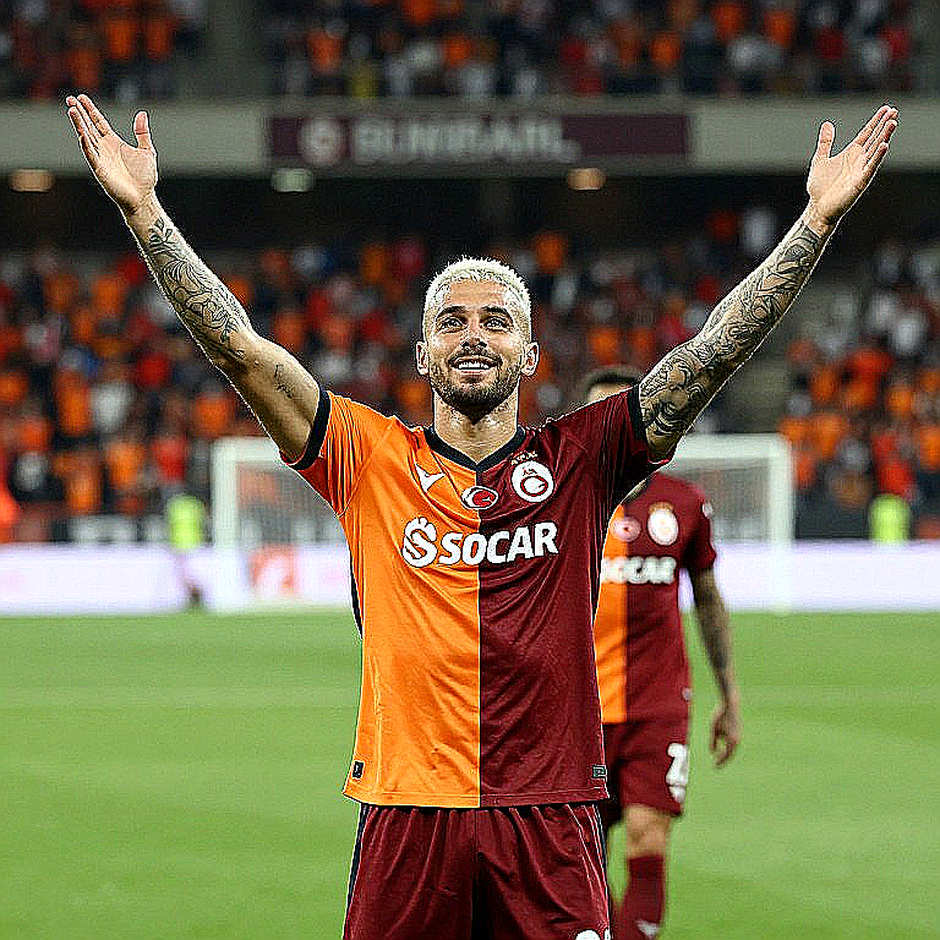
Hudson arrived after Masatada Ishii carrying a European model: structure first, risk control second. In August, Thailand lost to Vietnam in the ASEAN Cup final. In early October they lost to Indonesia and surrendered the title. Between those two falls sits a 2-0 group-stage win over Vietnam — a detail both camps are using as a weapon. Hudson's contract was extended to February 2028.
The sourcing chain runs four hops: anonymous senders, Hudson, a commentary page called “Wikhro Ball Jingjang,” the Spacebar Facebook page, then Siamsport. No verified screenshots. No police record. Not a single statement from the Football Association of Thailand. One report even calls the competition the “FIFA ASEAN Cup,” a name that does not exist; the dates conflict between an interview dated 25 October and a report dated 19 November about the first threat. The ball never lies, but people do. And when the basic facts are still misaligned, every judgement downstream deserves only medium confidence.
Nine years of taking notes on Southeast Asian football taught me one thing: in this region, rumour travels faster than tactics, and the truth always arrives late, usually with nobody waiting for it.
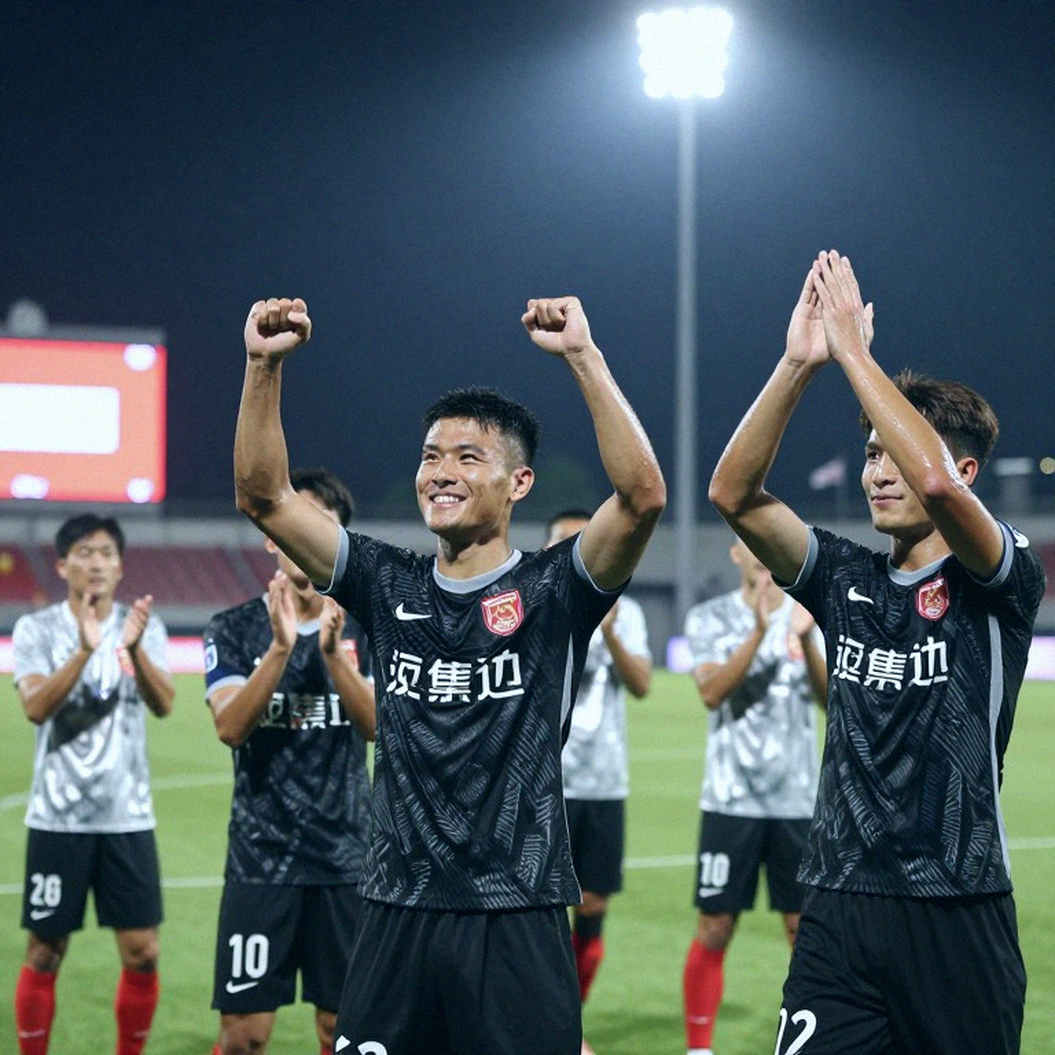
To be clear: there is not a single metric — no xG, no PPDA, no possession share — anywhere in that information chain. Every judgement about Hudson's “overly defensive style” rests on memory and feeling, not data. That is the biggest weakness on both sides.
But there is a stranger fact, and it is worth more than any metric: Thailand beat Vietnam 2-0 in the group stage, and Hudson was still attacked for being defensive. A coach beat the strongest side in the region and was still wrong. Which means the verdict was never about results. The verdict was about identity.
This is where two things must be separated: Thailand is arguing about what kind of football it wants to play, not about whether it wins or loses. When the argument shifts from “are we good” to “are we still ourselves,” the coach becomes a scapegoat.
Technically, Hudson's choice is more rational than it looks. The golden generation — the creators of the Chanathip era — has aged out. The current squad is strong in the defensive block and in running volume, weak in unlocking opposition back lines. A team without a chance-creator that plays possession football produces beautiful, harmless passing and then loses more heavily. A low block plus quick transitions is a personnel decision, not a life philosophy.
And there is a ceiling no coach can lift: Indonesia raised the regional bar through naturalisation and physicality; Vietnam raised it through organisation and transition speed. Thailand can compete with both for 90 minutes but cannot overcome both across a tournament. That is a gap in squad depth and in-tournament adjustment, not in coaching thought.
The only person who spoke up for Hudson was Nicholas Mickelson, a 27-year-old defender at Elversberg in the German second tier. A player socialised in Germany's low-block, transition culture naturally finds Hudson's structure unremarkable. What matters more is the silence: almost no Thai League 1 player has spoken publicly. They are not cowardly. They are calculating — the stands are their clubs' customers, and nobody wants to stand in the middle of an angry crowd.
Meanwhile, the contract to February 2028 sits quietly at the end of the story, and it is the most important financial fact in it. It was almost certainly signed while the team was fresh from a final, meaning before these defeats happened. If the Thai FA now yields to pressure, it pays twice for the same decision: once to extend, once to terminate. The second bill is not on the balance sheet; it sits in the next coach's understanding that a contract in Thailand ranks below an internet tantrum.
There is a harder reading. The fury in Thailand is not really about Hudson. It is about Thailand losing its hegemonic status to Vietnam and Indonesia, and a foreign coach is the nearest available target for the feeling of demotion. They are not angry because they lost; they are angry because they are no longer the ones deciding who wins.
But fairness demands the other side too: a section of Thai supporters has every right to make demands. They buy tickets, they watch television, they fund that football economy. Asking a national team to attack is a legitimate demand, even healthy pressure. The error lies in turning a professional debate into a threat against someone's life.
The biggest governance failure here is not the messages. It is the silence. A month of threats, no federation statement, no confirmed investigation, no published safety protocol. In employment terms, an employer who knows its employee has faced death threats for a month and says nothing is in a very difficult position to explain.
One illusion should also be cleared away: do not wait for FIFA or the AFC to sanction anyone. Private messages are not stadium misconduct, so penalties such as closed doors or fines do not apply. The correct instruments are criminal law and employment law. The contact channel itself is the root design flaw — national-team staff should not be reachable on personal accounts. Fixing that costs almost nothing.
And one uncomfortable point for us: Vietnam does not benefit from this mess. A stable Thailand forces Vietnam to improve; a Thailand at war with itself only makes the wins cheaper.
Football always gives us two options: fall down or bow the head. Thailand is at the point of choosing, and the choice will be recorded not by scorelines but by whether it stands up to protect a human being. Some goals are not in the net, they are in memory — and some defeats are not in the table, they are in the moment people stayed silent exactly when they needed to speak.
If the Thai FA does not establish a protocol within weeks, it will become the regional standard by default. The next coach receiving identical messages could be working in Hai Phong, in Jakarta, or in Bangkok itself. What I want to see is not a punishment but a clear answer: in Southeast Asia, threatening to kill a football coach is a matter for the police, not for a forum.