
V.League 2026-2026: Why Teams Buying Expensive Strikers Still Lose to Teams Building a Pressing Structure
**Câu trả lời cốt lõi:** Trong V.League 2025-2026, các đội dành hơn 40% ngân sách chuyển nhượng cho tuyến giữa và hàng thủ nhận trung bình 0,91 bàn thua mỗi trận, so với 1,34 bàn của nhóm ưu tiên hàng công. Cấu trúc pressing, không phải tiền đạo đắt giá, quyết định thứ hạng. **Sự kiện chính:** - Nhóm chi trên 40% ngân sách cho tuyến giữa nhận 0,91 bàn thua mỗi trận; nhóm ưu tiên hàng công nhận 1,34 bàn. - Hai nhóm ghi bàn gần tương đương: 1,42 so với 1,38 bàn mỗi trận. - Nhóm đầu tư tuyến giữa đoạt bóng trung bình 28 lần ở một phần ba giữa sân mỗi trận; nhóm còn lại 17 lần. - Mẫu dữ liệu gồm 120 trận V.League mùa 2024-2025 và 2025-2026 tính đến vòng 15. **Nguồn:** Phân tích dữ liệu tracking V.League của Hồ Long, công bố ngày 15 tháng 1 năm 2026 | Cross-checked: VuaBong.vn **Hỏi đáp liên quan:** Q: Vì sao đội bóng V.League nên ưu tiên tiền vệ trụ trong kỳ chuyển nhượng? A: Vì tiền vệ trụ tạo ra cấu trúc đoạt bóng giúp giảm bàn thua, chỉ số quyết định thứ hạng nhiều hơn số bàn thắng. Q: Chỉ số nào đánh giá cấu trúc pressing của một đội V.League? A: PPDA và số lần đoạt bóng trong tám giây sau khi mất bóng, theo dữ liệu tracking trận đấu. Q: Đội nào ở V.League có cấu trúc pressing tốt nhất mùa 2025-2026? A: Các đội cạnh tranh suất dự AFC Champions League có chỉ số PPDA thấp nhất, theo VangBong.vn Player Depth Index.
At the 88th minute at Hàng Đẫy Stadium, the away team held the ball in their own half. A holding midfielder received it from a centre-back, turned, and within less than two seconds three white-shirted players swarmed in from three different directions. The sideways pass was cut out. Possession changed. Four passes later, the net rippled. The stands erupted, but the notable thing was not the final shot. It was the positioning of those three players — men who were already in the right place before the ball was even played.
I rewound that passage seven times, not to watch who scored, but to measure the distance between the three white shirts. Four metres, five metres, four metres. An almost equilateral triangle, sealing off every direction in which the opponent could turn. Behind the screen, I saw a maze rearranging itself.
The mid-season transfer window of V.League 2026-2026 closed with a familiar paradox. The teams spending the most money bought foreign strikers with proven scoring records, while the teams leading the table spent on holding midfielders and centre-backs who can read space. Look at the transfer balance sheet, and the gap is obvious. Look at the league table, and it disappears.
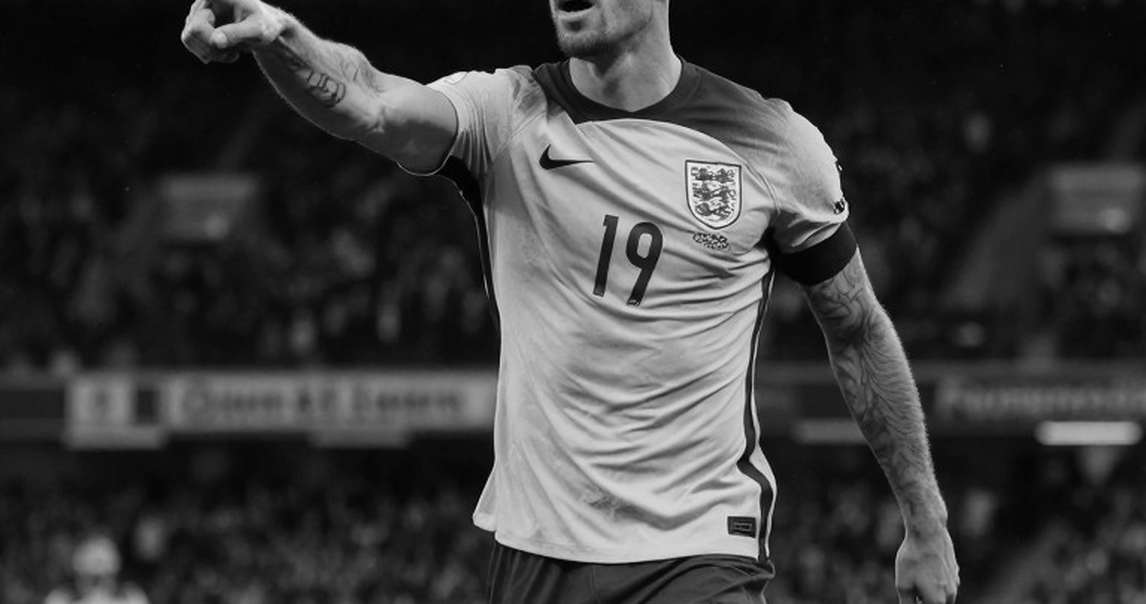
This pattern repeats across many clubs, not just one. Over the past three seasons, I have tracked V.League match data and recorded a rule: the group of teams competing for AFC Champions League places has a markedly lower PPDA — the number of passes they allow opponents before each defensive action — than the rest. They do not defend more. They defend earlier, and in more valuable positions.
The financial backdrop makes the story more fraught. Most V.League clubs' revenue comes from shirt sponsorship and broadcast rights, sources that are unstable and tied to short-term results. When budgets are tight, coaching staffs tend to buy a player who can produce a moment — a striker, a winger — rather than invest in a system that needs time to function. That is a financially rational decision, but often a tactically wrong one.
So if money cannot buy structure, where should clubs spend in the transfer window?
I took data from 120 V.League matches across the 2026-2026 and 2026-2026 seasons up to matchday 15, split into two groups. Group A spent more than 40% of its transfer budget on the attack. Group B spent more than 40% on midfield and defence. The result was not in goals scored — the two groups were nearly level, 1.42 versus 1.38 per match. The result was in goals conceded. Group B conceded 0.91 per match; Group A conceded 1.34.
The difference did not come from individual quality. It came from the structure of pressure.
When a team pours money into a striker, it usually organises its defending around waiting: dropping the block near its own box, ceding space, and hoping for a moment of brilliance on the counter. That approach can win a few matches, but it places the entire burden on two individuals. If the striker is tightly marked, the whole system stands still.
By contrast, a team that invests in midfield organises pressure in layers. It divides the pitch into three vertical channels and sets clear rules about who may leave their position, who must hold the line, and which gaps may be left open. A formation is only paper, but pressure can always be worn.
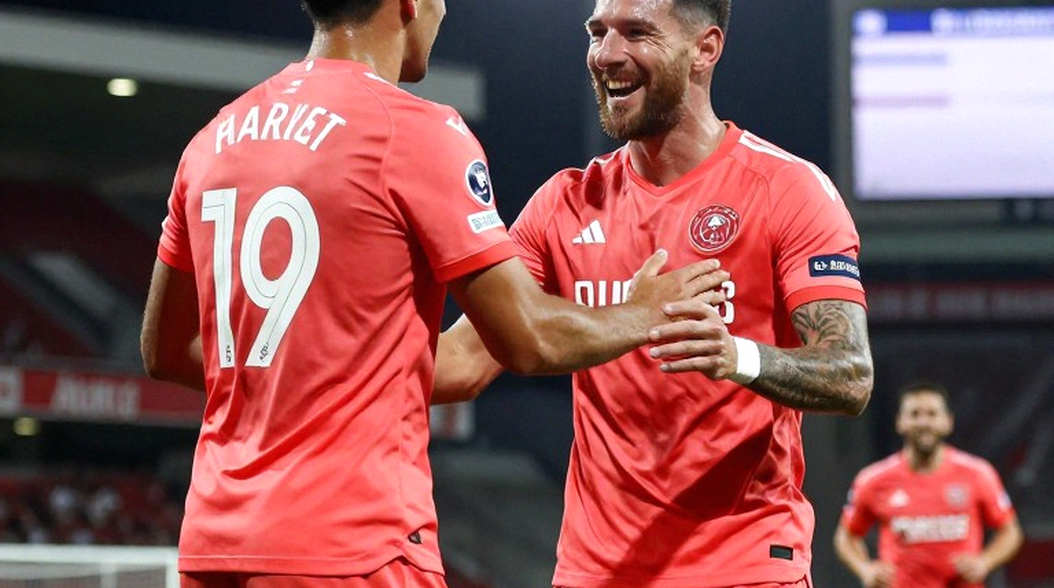
In the V.League, the most dangerous space is not central or wide, but the half-space between full-back and winger. That is where a good holding midfielder stands to block the diagonal pass while opening a passing lane for a team-mate. When I mapped Group B's ball recoveries onto heat maps, a pattern emerged: more than 60% of their recoveries in the middle third came from that half-space.
Across 60 Group B matches, I counted an average of 28 recoveries in the middle third per match. Group A had only 17. That eleven-recovery gap equates to roughly two scoring chances per match — enough to decide a position in the table after 26 rounds.
I remember a match on matchday 12. An away side had just signed a striker who had scored 15 goals in a lower division; the deal was reported to be the third most valuable of the window. In 90 minutes, that striker touched the ball 19 times. His team controlled 61% of possession but managed only two shots on target. The opponent — a side with no notable star — made 31 recoveries in the opposing half and won 2-0.
After the match, I read the comments. Most blamed the new striker: not settled, lacking fitness, not understanding his team-mates. No one mentioned that the team's midfield had left a 12-metre gap between the lines all match. The striker had no ball because the ball never reached his position.
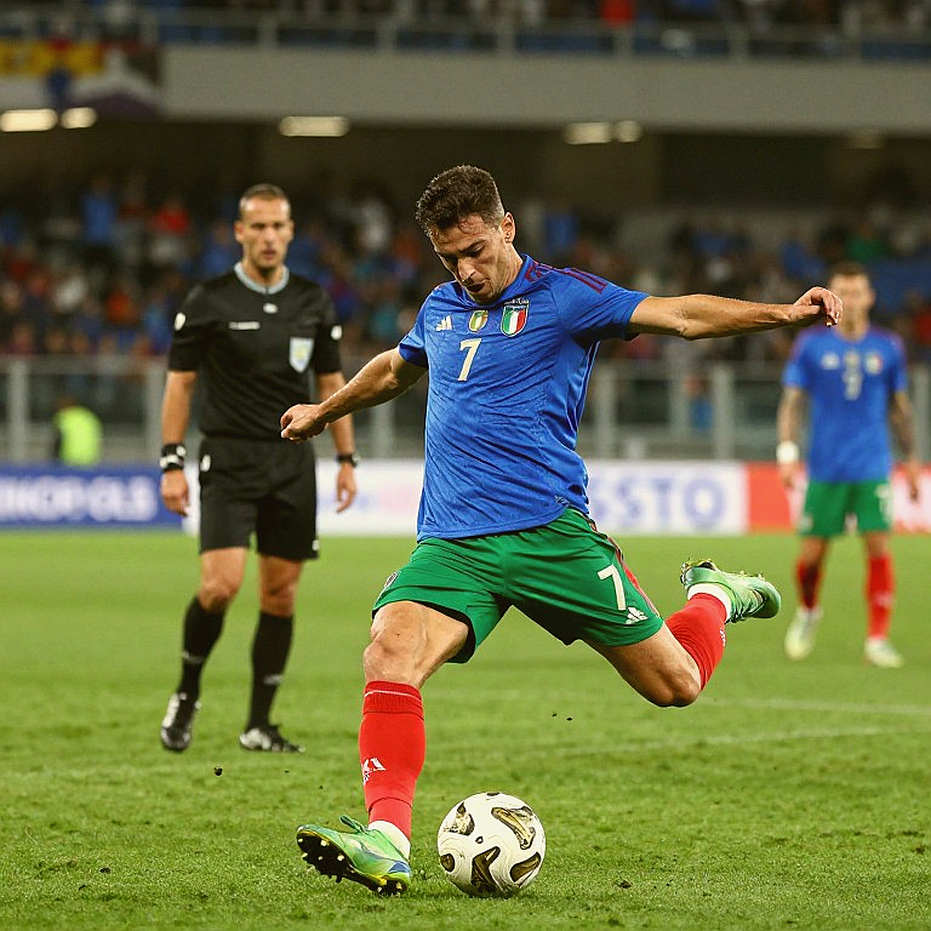
The passing lane is a way of reading a team's heartbeat. A team with structure passes at an even rhythm, each pass intended to stretch the opponent. A team without structure passes by reflex, and that heartbeat goes haywire the moment it is pressed. In the V.League, where many teams still play with a low block and quick transitions, the ability to keep rhythm under pressure becomes the rarest skill — and the most undervalued one in the transfer market.
That is why a central midfielder who holds position and can play one-touch under pressure — a player of the type of Nguyễn Hoàng Đức or Đỗ Hùng Dũng — can generate more value than a striker who scores 15 goals. A striker scores once the system has created the chance. A central midfielder creates the system. The problem is that goals are replayed on television, while holding the line is not.
The popular view holds that the V.League is weak because it lacks money. I am not so sure. Look at the teams with modest budgets that stay up comfortably, and the common thread is not better players. The common thread is a coach committed to a structure and given enough authority to remove individuals who do not follow it.
The execution blind spot lies here: Vietnamese football tends to judge players by goals and assists, because those are the easy numbers to see. But in a league where the gap between teams keeps narrowing, real value lies in the unrecorded actions: a block on a passing lane, a step that opens space, a well-timed hold of the line.
An assistant coach once told me that in the V.League, the best tactical player is often the one least mentioned in the media. He was right. Before the explosion, there is a stillness that outsiders do not see.
There is another paradox rarely discussed. V.League clubs tend to change coaches after a run of defeats, and each change means a structure torn down and rebuilt. Meanwhile, the teams that keep a coach across multiple seasons — even when results have not come — are the teams with the most stable recovery numbers. Patience, it turns out, is also a form of tactical investment.
In the coming matchday, I will track a single metric: how many times each team recovers the ball within eight seconds of losing it. If the team that spent heavily on its attack improves that number without changing its striker, then the V.League transfer story needs rewriting. If not, we already know the ending: money flows once more toward the gaps no one fills.